Direct answer: To request a deposit on a contractor estimate, first complete a thorough site visit, then prepare a detailed, item‑by‑item estimate that includes a clear deposit clause compliant with state law (e.g., California limits the down‑payment to the lesser of 10 % of the contract price or $1,000). Send the estimate with the deposit request via email or a quoting platform, verify the payment through an approved method, issue a receipt, and track the deposit against the job’s budget. Adjust the balance with any change orders, and finally apply the deposit toward the final invoice, ensuring all documentation is reconciled and the homeowner’s approval is recorded.
1. Conducting the Site Visit and Gathering Scope Details
Documenting Existing Conditions
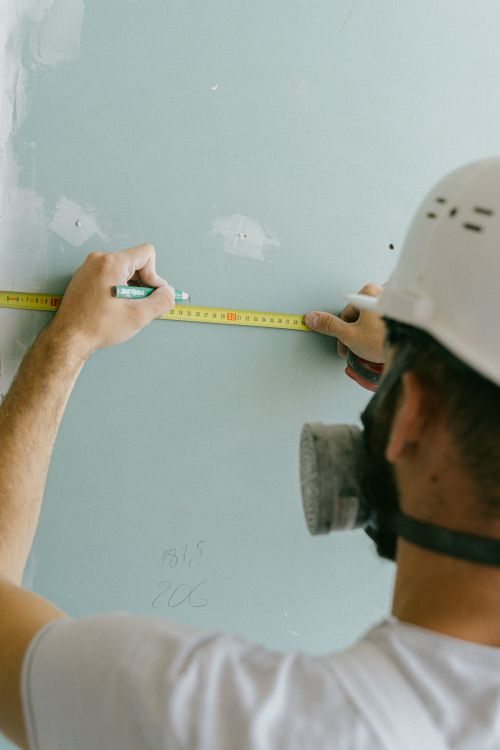
Begin each residential repair project with a systematic walk‑through. Record measurements, note structural constraints, and photograph areas that will be altered. Use a checklist to capture:
- Dimensions of walls, ceilings, and openings
- Existing finishes and their condition
- Utility locations (electrical, plumbing, gas)
- Access limitations for equipment and materials
- Any code‑related observations that may affect the scope
These details become the factual backbone of the estimate and reduce the likelihood of later disputes.
Engaging the Homeowner
Ask the homeowner to clarify priorities, budget expectations, and preferred materials. Document any “must‑have” items versus “nice‑to‑have” upgrades. This conversation informs the level of detail you’ll include in the estimate and helps you anticipate change‑order scenarios.
2. Drafting an Itemized Estimate
Standard Line‑Item Structure
An itemized estimate should be organized into logical sections such as demolition, framing, finishes, and labor. For each line item, include:
- Quantity (e.g., 120 sq ft of drywall)
- Unit price (e.g., $1.75 per sq ft)
- Subtotal (quantity × unit price)
- Applicable taxes or permits
- Notes on material grade or brand, especially for special‑order items
Transparent arithmetic builds trust and provides a clear basis for the deposit calculation.
Software Tools for Estimate Creation
Platforms such as ProInvoice let you generate professional estimates, convert them to invoices, and embed deposit‑request fields. While ProInvoice supports online payment gateways, the contractor must complete account setup before accepting deposits.
3. Crafting a Legally Compliant Deposit Clause
Understanding State Limits
California’s Contractors State License Board (CSLB) states that for covered residential home‑improvement contracts the down‑payment may not exceed the lesser of 10 % of the total contract price or $1,000. Special‑order materials do not automatically exempt a contractor from this cap. See the CSLB guidance at What Is a Contract? and the homeowner checklist at Homeowner Checklists.
Sample Deposit Language
Insert a clause similar to the following into the estimate:
Deposit: The homeowner shall pay a deposit equal to the lesser of 10 % of the total contract price or $1,000 prior to commencement of work. This deposit will be applied toward the final invoice. Further payments, if any, must follow the signed payment schedule, applicable law, and the value of work completed or materials actually delivered. Any cancellation or refund will be handled under applicable law and the written agreement.
Tailor the language to reflect any additional state or municipal restrictions that may apply.
4. Sending the Estimate and Deposit Request
Choosing the Delivery Method
Most contractors use email, a quoting portal, or a project‑management app. Joist’s support article explains how contractors can request a deposit directly from an estimate screen (Joist deposit request guide). Housecall Pro offers a similar workflow (Housecall Pro deposit collection). Whichever platform you select, make the estimate, deposit clause and payment instructions accessible to the homeowner, and preserve an agreed copy in your records.
Sample Email Request
Subject: Estimate #1042 and Deposit Request
Hello [Customer Name],
Thank you for discussing the scope of [project description]. Your itemized estimate totals $4,500. For this hypothetical covered California residential home-improvement project, the requested down payment is $450, which is 10% of the contract amount and below the $1,000 cap.
Please review the scope, exclusions, contract terms and payment schedule before approving. When you are ready, use the secure deposit-payment link provided with the actual estimate. Do not send card details by reply email.
After the payment status is confirmed, we will send a receipt referencing Estimate #1042 and coordinate the next steps. Please reply with any requested changes before approving the estimate.
Thank you,
[Contractor Name]
[Business Name]
5. Verifying Payment and Issuing Receipts
Payment Status Definitions
Before relying on a deposit, distinguish processor status from money actually available in the business bank account:
- Pending: A payment has been initiated, but its successful completion is not yet confirmed.
- Authorized: A card issuer has approved a proposed charge; authorization alone is not a completed payment.
- Settled: The processor has recorded the transaction in settlement; a separate payout to your bank may still be pending.
- Available: Funds have arrived and are accessible in the business bank account, subject to the bank and processor's actual status.
Do not assume instant payout or bank availability. Timing depends on payment method, risk review, processor settlement and the bank's posting schedule.
Receipt Content
A receipt should contain:
- Date of payment
- Homeowner name and address
- Deposit amount
- Reference to the estimate number
- Method of payment (e.g., credit card, ACH)
- Statement that the deposit will be applied to the final invoice
Store the receipt digitally and attach it to the project file for future reconciliation.

6. Reconciling Deposits with Job Costs
Tracking Deposit Utilization
Maintain a simple ledger that records:
- Original deposit amount
- Materials purchased with deposit funds
- Labor costs charged against the deposit
- Remaining deposit balance
ProInvoice’s “Show Paid Deposit on Final Invoice” blog post (Show Paid Deposit) demonstrates how to display the deposit line on the final invoice, ensuring transparency for the homeowner.
When Deposits Exceed Early Costs
If the deposit surpasses the cost of materials and labor completed before the next billing milestone, you may either:
- Retain the excess as a credit toward the final balance, or
- Refund the surplus in accordance with the cancellation policy (see Section 9).
Document the decision in the project notes to avoid disputes.
7. Managing Change Orders and Adjusted Deposits
Identifying Scope Changes
Any deviation from the original estimate—whether a homeowner adds a premium countertop or the contractor discovers unforeseen structural work—must be captured in a written change order. Include:
- New line items with quantities and unit prices
- Revised total contract amount
- Impact on the deposit (e.g., increase or decrease)
- Homeowner signature and date
Re‑calculating the Deposit
A higher revised price does not automatically permit collecting a second upfront down payment. For a $18,000 covered California residential contract, the general initial down-payment limit is still $1,000, even though 10% equals $1,800. Bill additional amounts only as legally permitted progress payments tied to completed work or delivered materials, and document changes in a signed change order.
8. Final Invoicing and Deposit Application
Preparing the Final Invoice
Convert the original estimate to a final invoice, adding any approved change orders. List the deposit as a negative line item (e.g., “Deposit – $450”) so the homeowner sees the net amount due. ProInvoice’s guide on confirming deposits before scheduling (Confirm Deposit) outlines best practices for this step.
Closing the Project Financially
After the homeowner pays the remaining balance, reconcile the following:
- All material receipts against the estimate
- Labor hours logged versus billed rates
- Any retained credits from over‑paid deposits
- Final profit margin analysis for internal review

9. Cancellation, Refunds, and Dispute Prevention
Cancellation Policy Essentials
Cancellation rights differ by jurisdiction and contract type, and some laws provide mandatory cooling-off periods or notices. In California, covered home-improvement transactions can involve statutory cancellation rights; a private refund clause cannot override them. A clear written policy should complement—not replace—those rules. Typical elements include:
- Notice period required (e.g., 48 hours)
- Refund calculation consistent with the applicable cancellation law and documented work, rather than an automatic nonrefundable-deposit rule
- Procedure for returning funds (check, ACH, or credit card reversal)
Include the cancellation policy in the same document that contains the deposit clause.
Handling Disputes
If a homeowner contests the deposit amount, reference the statutory limit and the signed agreement. Provide a copy of the receipt and the clause that the homeowner signed. Maintaining thorough records minimizes the risk of escalation.
10. Comparison: Deposit vs. Progress Payments
| Aspect | Deposit (Up‑Front) | Progress Payments (Milestones) |
|---|---|---|
| Typical Timing | Before any work begins | After predefined milestones (e.g., demolition, rough‑in, finish) |
| Legal Limits | Statutory caps (e.g., CA ≤ 10 % or $1,000) | Subject to the contract and applicable law; for California covered residential work, no more than value of work performed or materials delivered |
| Cash‑Flow Impact | May provide working capital after payment is verified and funds become available | Spreads cash inflow throughout the project |
| Risk to Homeowner | Higher if work is delayed or cancelled | Lower; payments align with visible progress |
| Administrative Overhead | One‑time tracking and reconciliation | Multiple invoices, approvals, and tracking events |
| Best Use Cases | Small jobs, special‑order material purchases, or when contractor needs upfront funds | Larger remodels where work phases are clearly defined |
11. Decision/QA Checklist for Contractors
- Have I completed a documented site visit and recorded all measurements?
- Is the estimate fully itemized with quantities, unit prices, and taxes?
- Does the deposit clause comply with state‑specific limits (e.g., CA ≤ 10 % or $1,000)?
- Have I attached the deposit clause to the estimate and obtained homeowner signature?
- Am I using a platform (Joist, Housecall Pro, ProInvoice) that can embed a secure payment link?
- Did I send the estimate with a clear subject line and payment instructions?
- Is the payment status tracked as pending, approved, settled, and available?
- Have I issued a receipt that references the estimate number and deposit amount?
- Do I have a ledger that matches deposit usage against material and labor costs?
- For any change order, have I issued a written amendment and recalculated the deposit?
- Is the final invoice showing the deposit as a negative line item?
- Do I have a written cancellation and refund policy attached to the original contract?
12. Frequently Asked Questions
What is the maximum deposit I can request in California?
The CSLB limits the down‑payment to the lesser of 10 % of the total contract price or $1,000 for covered residential home‑improvement contracts. Special‑order materials do not automatically increase this cap.
Can I request a larger deposit for custom or special‑order items?
Not under California law. Even if the material cost exceeds $1,000, the deposit must still obey the 10 %/ $1,000 rule. You may request additional progress payments after the special‑order items are delivered.
How should I handle a deposit if the homeowner cancels the project before work starts?
Refer to the cancellation policy you included in the contract. First check any mandatory cancellation period and state-specific refund obligations. Do not assume that purchase orders or a contract's nonrefundable wording automatically allow deductions. If deductions are lawful and contractually supported, document them carefully and provide an itemized accounting.
What if the homeowner wants to pay the deposit by check?
Accept the check, but mark the deposit status as pending until the check clears. Issue a receipt once the funds are verified and update your ledger accordingly.
Is it acceptable to combine a deposit with the first progress payment?
Do not disguise an advance payment as a milestone payment to evade a down-payment limit. If work has actually been completed or materials delivered, a properly documented progress payment may be permitted under the signed schedule and local law. Ask a qualified local adviser about the specific contract.
Do online quoting tools automatically enforce state deposit limits?
Deposit fields in quoting software are not substitutes for legal review. Whatever software you use, verify the applicable deposit limit, contract language and payment schedule yourself.